How Often Should You Replace an Air Purifier Filter?
Most True HEPA cartridges are rated for roughly 6-12 months of normal use — the LEVOIT Core 300's combined HEPA+carbon filter runs a typical 6-8 months, while Honeywell's HPA300 Filter Q and Coway's Airmega 400 Max2 are on roughly 12-month cycles — and pre-filters or carbon layers often need replacing sooner than the HEPA media itself.
The one thing to know: The purifier itself is often the cheap part; the filter is the recurring cost — sometimes called the 'razor and blades' model. A True HEPA cartridge typically runs every 6-12 months depending on use and air quality, and combined HEPA+carbon cartridges cost more per swap than a HEPA-only filter since you're replacing fresh carbon media whether or not it's saturated. Comparing purifiers on sticker price alone hides this: the true cost is (filter price ÷ months of life) × 12, and it can vary several-fold between models with similar CADR.
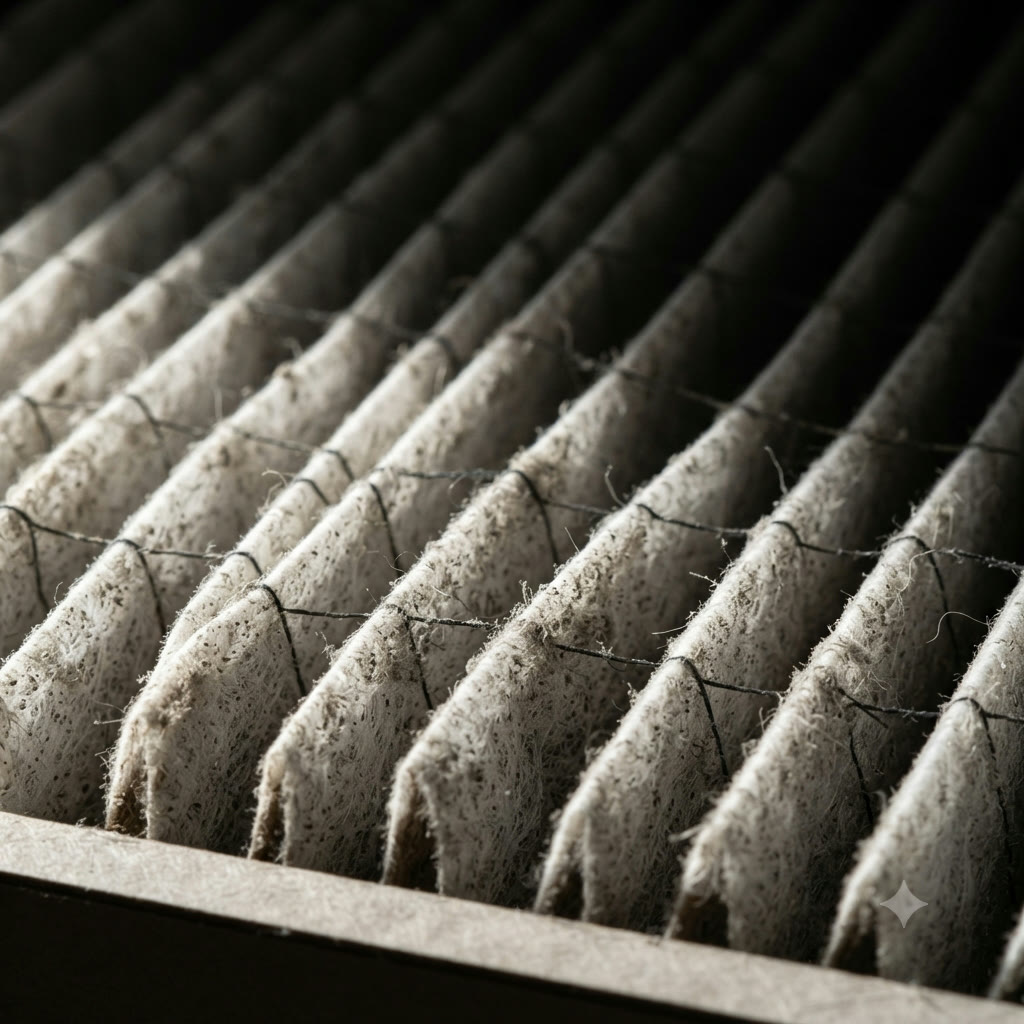
Real replacement intervals, from the spec sheets
| Replacement filter | Fits | Typical life |
|---|---|---|
| LEVOIT Core 300 True HEPA Replacement Filter | Core 300/300S | ~6-8 months |
| Honeywell HPA300 Filter Q Replacement | HPA200/HPA300 | ~12 months |
| Coway Airmega 400 Max2 Replacement Filter | Airmega 400/400S | ~12 months |
"Typical life" assumes normal household use. Run a purifier through a wildfire-smoke season, heavy construction dust, or a multi-pet household and the media loads up faster; the interval on the box is a starting point, not a guarantee. Many units have a filter-change indicator, but most are simple timers, not sensors — they count hours, not actual filter loading.
When you do replace, stick to the manufacturer's cartridge — it's the only one verified to the original CADR rating. You can compare genuine replacement filters for your model on Amazon (search your purifier's exact model number to filter out the off-brand lookalikes).
The part everyone forgets: it's a recurring cost
The fair way to compare is annualized: (filter price ÷ months of life) × 12. A cartridge that lasts a year can beat a cheaper one replaced every quarter. We work the full method with examples in the filter cost-per-year comparison, and explain why the machine is often the cheap part in Why Filters Cost More Than the Machine.
Frequently Asked Questions
Most True HEPA cartridges are rated for roughly 6-12 months at normal use. Where a model sits in that band varies: the LEVOIT Core 300's combined HEPA+carbon cartridge runs a typical 6-8 months, while Honeywell's HPA300 Filter Q and Coway's Airmega 400 Max2 are both on roughly 12-month cycles.
Often not. On the Honeywell HPA300, the carbon pre-filter wrap saturates with odor faster than the HEPA media degrades, so heavy-odor households may want to replace it more often than the 12-month HEPA interval suggests. Washable pre-filters (like Blueair's fabric sock or Winix's washable AOC carbon filter) extend the interval but don't eliminate replacement entirely.
Be careful: off-brand 'compatible' filters flood Amazon search results, but only the genuine manufacturer cartridge is verified to the purifier's original CADR rating. A no-name filter can fit the slot while filtering to an unknown standard.
Because the carbon and HEPA media are bonded into one cartridge, you replace (and pay for) fresh carbon media every time — even if only the HEPA layer has actually reached its dust capacity. It's convenient (one part number), but it's part of why annualized filter cost varies several-fold between models with similar CADR.